3. Identifying workforce trends and challenges
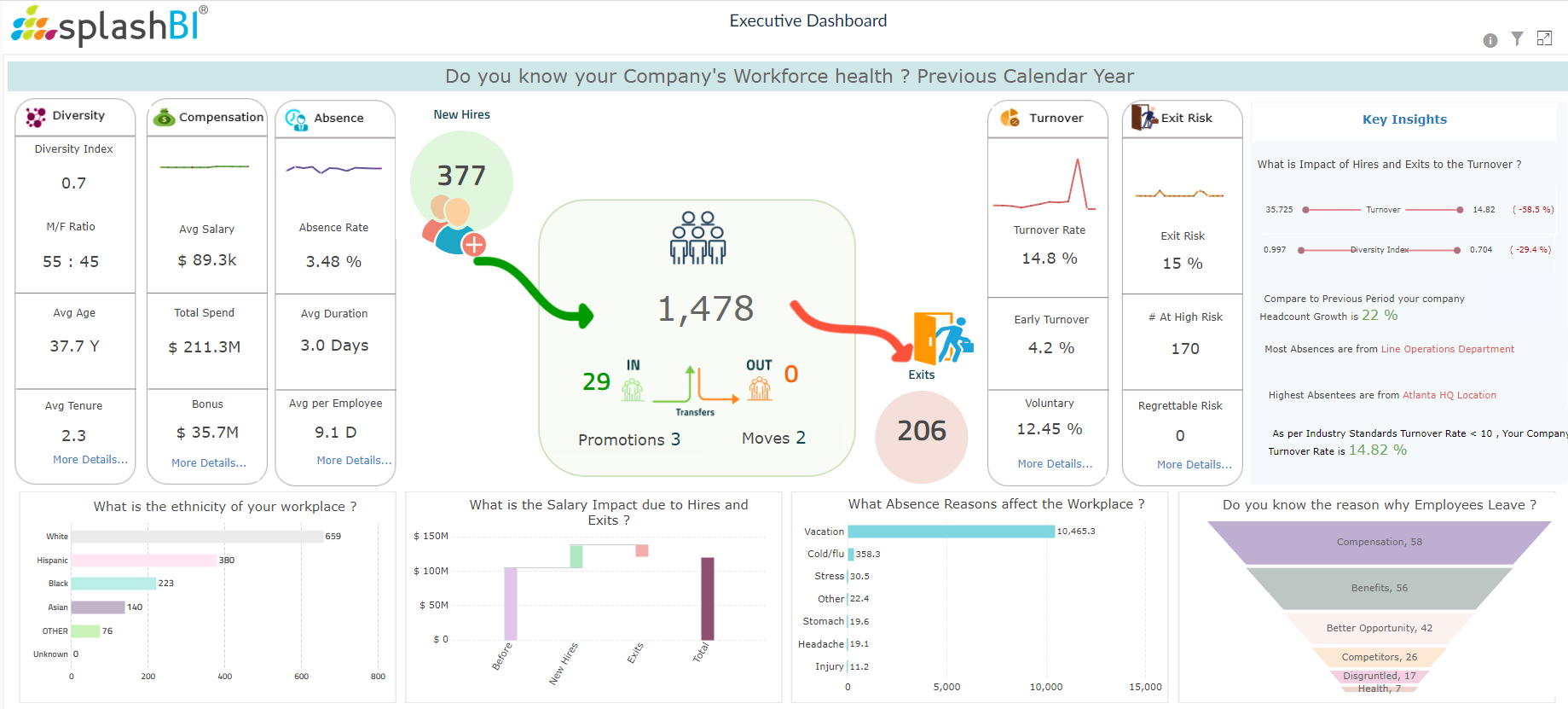
HR leaders need to stay informed about the trends and challenges within their organization’s workforce. Tracking HR metrics provides valuable insights into employee demographics, turnover rates, absenteeism, training and development needs, and other workforce-related factors. By analyzing these metrics, HR leaders can identify emerging trends, potential issues, and areas of concern. This initiative-taking approach enables them to address challenges promptly, implement appropriate interventions, and ensure that the organization has a skilled and engaged workforce.
4. Measuring HR effectiveness
HR leaders are accountable for demonstrating the effectiveness of HR programs and initiatives. Tracking HR metrics allows them to measure the impact of HR practices on key performance indicators. These metrics can include metrics related to employee satisfaction, retention rates, training effectiveness, leadership development, and diversity and inclusion efforts. By monitoring these metrics, HR leaders can evaluate the success of their strategies, adjust as needed, and highlight the value HR brings to the organization.
5. Compliance and risk management
HR leaders have a responsibility to ensure compliance with labor laws, regulations, and industry standards. Tracking HR metrics related to compliance, such as training completion rates, safety incidents, and diversity metrics, helps HR leaders monitor adherence to legal requirements. By identifying potential compliance risks through metrics, HR leaders can take initiative-taking measures to mitigate these risks and avoid legal issues.
Tracking key HR metrics in 2023 helps organizations make data-driven decisions, measure performance, address challenges, align HR with organizational goals, ensure compliance, and benchmark against industry standards. It plays a vital role in optimizing the HR function and contributing to the overall success of the organization.
Following are few more reasons why there is an absolute need to track the HR metrics: –
2. Measure organizational performance
HR metrics provide insights into the overall performance of the organization and its workforce. By tracking metrics such as employee productivity, turnover rates, and absenteeism, organizations can gauge how well they are utilizing their human capital and identify areas where performance can be enhanced.
3. Identify HR challenges and opportunities
HR metrics help identify challenges and opportunities within the HR function. For example, metrics related to recruitment and retention can highlight areas where the organization may be struggling to attract or retain top talent. By identifying these challenges, HR professionals can develop targeted strategies to address them and improve overall HR effectiveness.
4. Align HR with organizational goals
Tracking key HR metrics enables HR departments to align their activities and strategies with the broader goals of the organization. By understanding how HR initiatives impact metrics such as employee engagement, talent development, and diversity and inclusion, HR professionals can ensure that their efforts are contributing to the organization’s success and bottom line.
5. Monitor compliance and legal requirements
HR metrics can help organizations ensure compliance with labor laws, regulations, and industry standards. Metrics related to employee training, safety incidents, and diversity can assist in monitoring compliance with legal requirements and identifying any potential areas of risk.
6. Benchmark against industry standards
Tracking HR metrics allows organizations to benchmark their performance against industry standards and best practices. By comparing their metrics to those of similar organizations, they can identify areas where they excel or fall behind and take appropriate actions to improve.
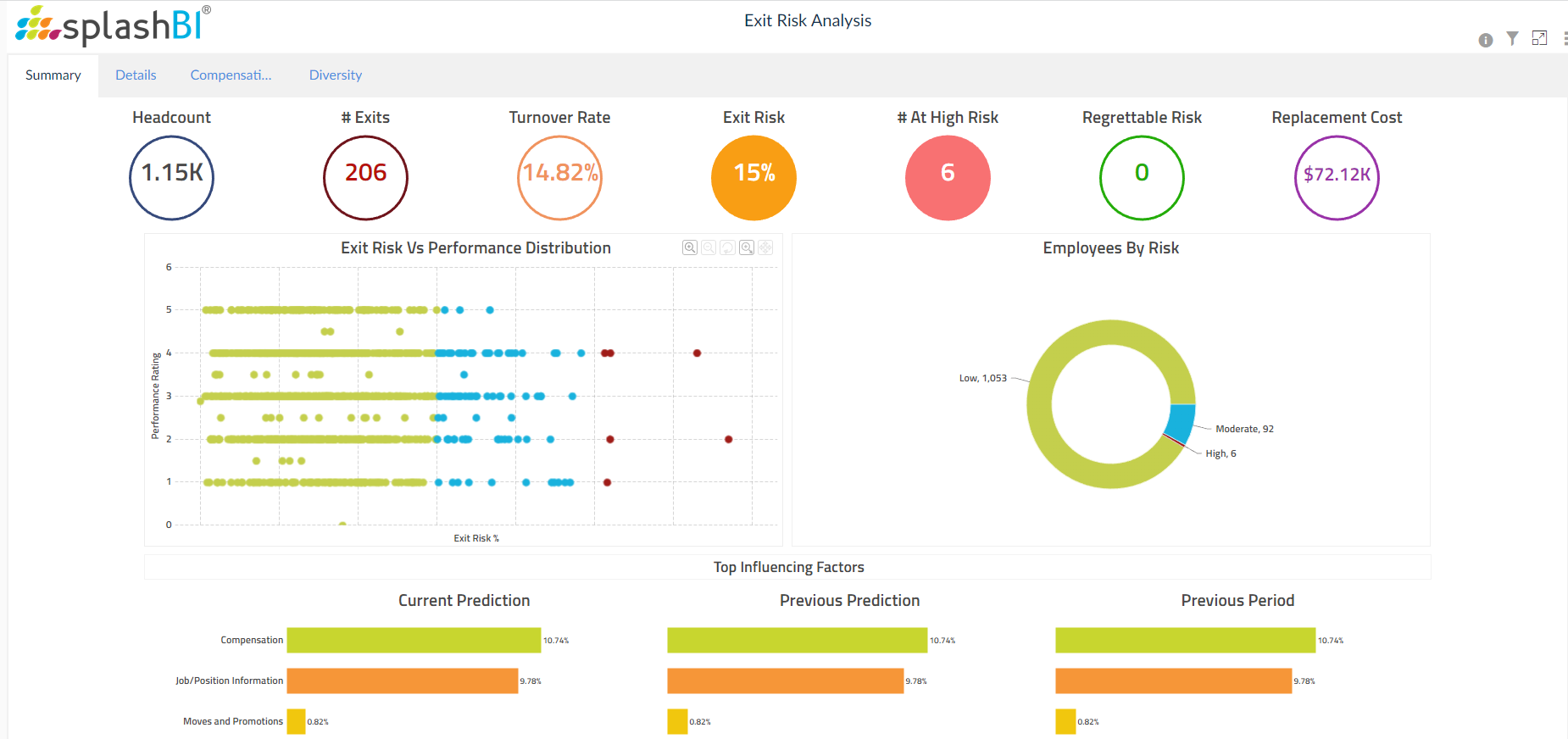
Employee Engagement and Satisfaction is another reason talent retention metric is important. High employee retention is often indicative of a satisfied and engaged workforce. Tracking talent retention helps organizations identify and retain high-potential employees for key positions within the company. By analyzing retention data, organizations can identify individuals who have demonstrated exceptional performance and potential for growth. This information is valuable for talent management and succession planning, ensuring that there is a pipeline of talented individuals ready to step into critical roles when needed.
High turnover can disrupt organizational stability and lead to a loss of institutional knowledge and expertise. Tracking talent retention allows organizations to assess the stability of their workforce and identify areas where knowledge retention may be at risk. By implementing strategies to retain valuable employees, organizations can ensure the continuity of critical skills, knowledge, and experience within the organization. Organizations with high employee retention rates tend to have a positive employer brand and reputation. According to Forbes, 47% of the HR leaders, in 2023, give more emphasis on employee experience.
Tracking talent retention enables organizations to showcase their ability to attract and retain top talent, which can enhance their employer brand and make them more attractive to potential candidates which will lead to increased interest from high-quality candidates, making the recruitment process more efficient and cost-effective. By tracking talent retention, organizations can identify areas for improvement in employee development and engagement strategies. Analyzing retention data can help identify patterns or trends related to employee career development, training opportunities, performance feedback, and work-life balance. This information can be used to design and implement targeted initiatives that address the specific needs and preferences of employees, leading to increased engagement and higher retention rates.
2. DEIB Metrics
Another HR metric that should matter in any People Analytics solution is Diversity, Equity, Inclusion, and Belonging (DEIB) metrics and tracking it is of utmost importance for organizations committed to creating a diverse and inclusive workplace.
By tracking DEIB the organizations can assess the progress in creating a diverse and inclusive work environment. By measuring diversity in terms of representation across various dimensions (such as gender, ethnicity, age, and more), organizations can gauge if their workforce composition aligns with their diversity goals. It helps identify gaps and areas for improvement. DEIB metrics help organizations identify barriers and biases that may exist within their systems, policies, and practices. Tracking DEIB metrics can enhance talent acquisition and retention efforts. Organizations that prioritize diversity and inclusion often attract a broader range of candidates and can leverage diverse perspectives and experiences leading to more innovative solutions and better decision-making. A diverse workforce can bring fresh ideas, challenge the status quo, and foster a culture of innovation. By showcasing a commitment to DEIB, organizations can enhance their employer brand and attract top talent.
3. Recruitment
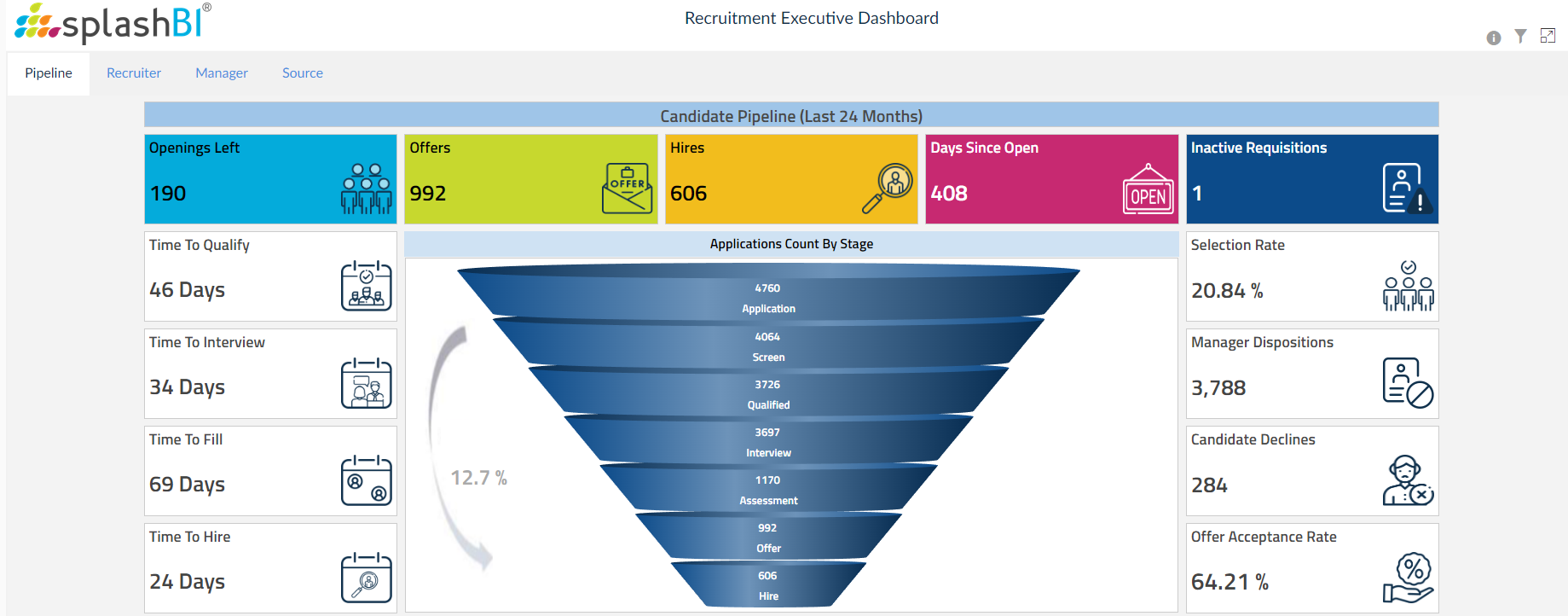
Tracking recruitment metrics is important for organizations as it provides valuable insights into the effectiveness and efficiency of their recruitment processes. Tracking these HR metrics allows organizations to assess the efficiency of their hiring process. Metrics such as time to fill, time to hire, and applicant-to-hire ratio provide insights into the speed and effectiveness of recruitment efforts. By analyzing these metrics, organizations can identify bottlenecks, streamline their processes, and reduce time-to-hire, ensuring that vacant positions are filled promptly.
Tracking recruitment metrics helps organizations evaluate the quality of their hires. Metrics such as candidate qualifications, performance ratings, and retention rates provide insights into the effectiveness of the recruitment process in attracting and selecting high-quality candidates. By assessing the performance and longevity of hires, organizations can refine their sourcing and selection strategies to ensure better outcomes and improve the overall quality of their talent pool. Recruitment can be a significant investment for organizations and helps organizations assess the cost-effectiveness of their recruitment efforts. By analyzing these metrics, organizations can evaluate the expenses associated with attracting and hiring new talent, identify cost-saving opportunities, and optimize their recruitment budget.
According to Forbes, 46% of the HR leaders, in 2023, give more emphasis on quality of recruiting. Tracking recruitment metrics allows organizations to evaluate the performance of different recruitment sources or channels and can identify which channels yield the most qualified candidates, have higher conversion rates, and provide better long-term retention. This data helps optimize recruitment strategies, allocate resources effectively, and invest in the most productive channels. Understanding the candidate’s experience throughout the hiring process is also crucial which can lead to better talent attraction and a competitive advantage in the labor market.
4. Learning & Development
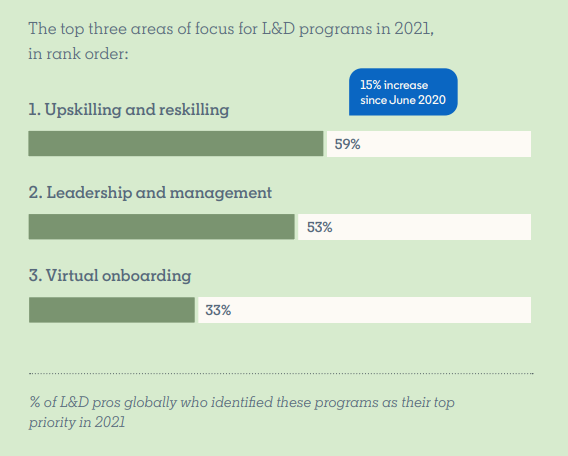
By tracking L&D metrics alongside performance metrics, organizations can assess the correlation between training and improved job performance. This data helps identify the effectiveness of specific training programs and informs decisions about further development interventions to enhance performance outcomes, in identifying high-potential employees and potential successors for key roles within the organization.
By providing relevant training opportunities, organizations can improve employee performance, increase job satisfaction, and enhance overall productivity. Skill gap analysis supports strategic workforce planning by identifying critical skills that may be lacking within the organization. It helps organizations anticipate future talent needs and align their recruitment, training, and development strategies accordingly and enabling organizations to thrive in a dynamic and competitive landscape.