Workforce Planning: 5 Key Steps for Strategic Success
What is workforce planning?
Workforce planning is your playbook for ensuring the right people, with the right skills, are in the right seat at the right time. In today’s “skills-first” economy, this is no longer just an HR exercise; it is a critical business imperative. While most organizations conduct short-term operational planning, research from Gartner and the McKinsey HR Monitor 2025 reveals a significant gap: as of late 2024, only 15% of organizations are engaging in true workforce planning. This lack of foresight is costly, as roughly 32% of employees currently lack the skills needed to meet future business demands. By leveraging advanced workforce planning software and predictive modeling, leaders can transition from reactive hiring to a proactive talent management strategy. SplashBI’s workforce planning tools empower organizations to align human capital management directly with revenue forecasts, turning fragmented data into a clear strategic advantage.
Before we dive into the specific steps to refresh your strategy, consider these high-level pillars for success:
Key Takeaways
- Strategic Alignment: Workforce planning ensures the right people with the right skills are in place at the right time.
- Proactive Approach: Only 15% of companies use a strategic approach to bridge talent gaps; most remain reactive.
- Five-Step Process: Success requires strategic intent, identifying key positions, assessing players, executing an action plan, and continuous monitoring.
- Business Impact: Effective planning reduces turnover, manages aging workforces, and prevents disruptions during market fluctuations.
Traditional workforce planning process involves the human resource team, while strategic workforce planning is a shared responsibility between business leaders across the organization. The key to effective strategic workforce planning comes from its ability to hone on critical talent, their needs, their historical data, and develop a targeted talent strategy.
The strategic workforce planning process
Workforce planning comes with a lot of challenges, making it essential to utilize useful tools and methods at your disposal. The most crucial function of any talent management team in HR is to build the organizational capability required to execute strategy.
5 proven steps for strategic workforce planning
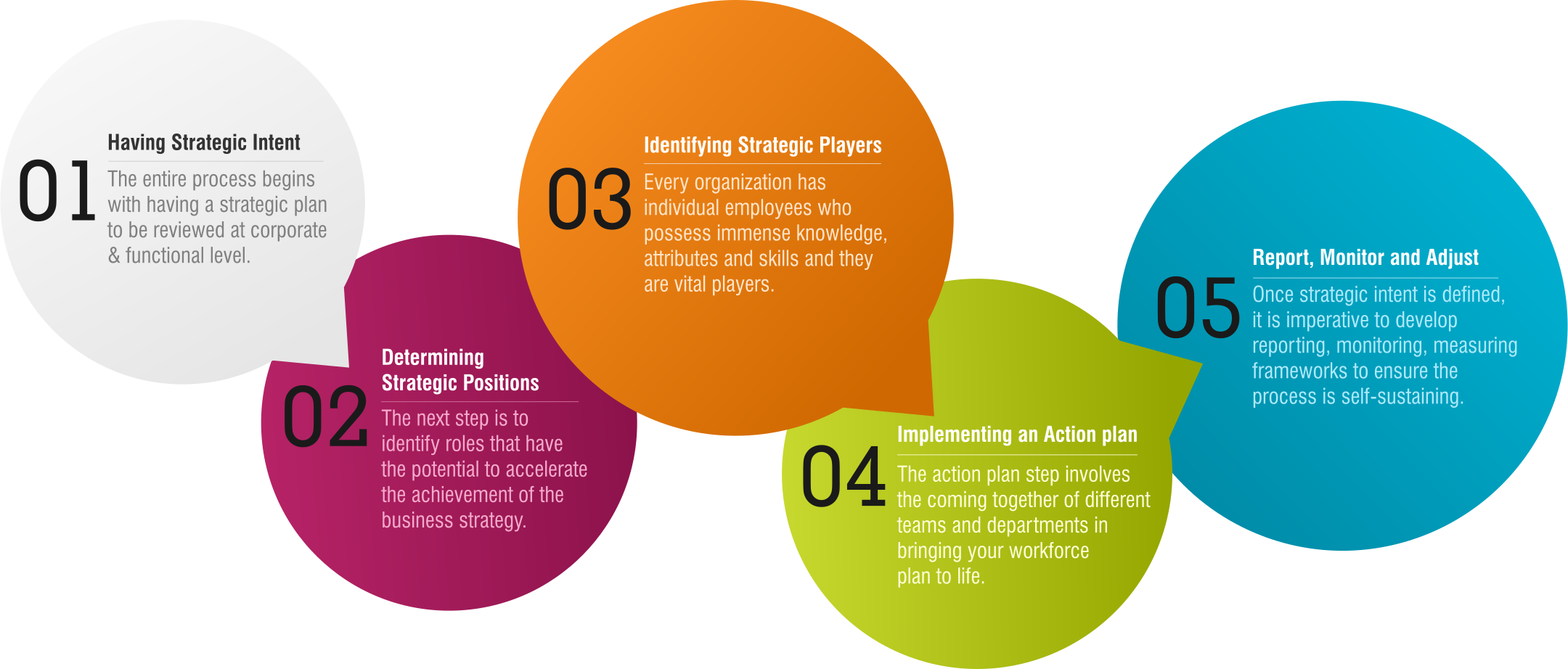
Step 1 – Define strategic intent
Start by revisiting your corporate and functional strategies. Sit down with line leaders and pinpoint the business priorities-market expansion, product launches, cost control-that truly drive results. Only then can you translate those priorities into talent requirements.
Step 2 – Determine strategic positions
The next step towards strategic workforce planning involves determining strategic areas. Identifying roles that have the potential to accelerate the achievement of the business strategy and competencies is vital to executing strategy. Utilizing data-driven decision-making can enhance this process.
Step 3 – Identify strategic players
Every organization has individual employees who occupy strategic positions. They possess immense knowledge, attributes, and skill for that position. It is crucial to assess each incumbent in a strategic area since the roles are only as important as the people who occupy them.
Step 4 – Implement an action plan
The action plan brings your workforce strategy off the page and into the business. Typical to-dos include aligning budget owners on the cost envelope and coordinating with recruiting partners to socialize new roles. Keeping these tasks coordinated ensures your plan starts producing value immediately.
Step 5 – Report, monitor, and adjust
Once you have clearly defined what is required to deliver your strategic intent, it is imperative to develop reporting, monitoring, and measuring frameworks. Implementing a robust human capital management solution can facilitate these processes, ensuring that workforce planning remains aligned with organizational objectives.
How can workforce planning help?
When used correctly, workforce planning can help businesses identify and rectify issues quickly. It helps in identifying critical roles and ensures that expansion goes according to schedule. Workforce planning aligns business planning with hiring and employee retention planning.
- Other than hiring new talent, workforce planning helps in taking care of your aging workforce, a key consideration according to data on workforce demographics and retirement projections.
- It helps in taking specific steps that can reduce turnover and retain top talent, especially when considering recent data on turnover costs.
- Workforce planning also helps avoid delays and disruptions that can impact business profits.
To sum it up
To assess the current and future needs of an organization Workforce planning is crucial, both in terms of quality and quantity. It directly links human resources activities to organizational objectives.
Organizations sustain and develop high-quality workforce planning programs and break down the traditional barriers to effective workforce planning.
To succeed, organizations should invest in technology that supports:
- Predictive supply analytics
- Employee-level action-planning
- Bottom-up demand planning
- Gap summarization and analysis
It provides organizations with a cushion by preparing it for external and internal factors that may affect its activities. Workforce planning determines the successful implementation and achievement of an organization’s objectives and goals.