
In the dynamic arena of modern business, the strategic role of human resources is increasingly critical. As companies navigate the complexities of talent management, workforce optimization, and organizational development, analytics has become a game-changer. HR Analytics and People Analytics have a significant influence on predicting workforce trends, which aids in enhancing business outcomes. This study looks at how they work together, their differences, and how they help make smart decisions based on predictions.
Understanding HR Analytics and People Analytics
Clarifying HR Analytics and People Analytics is crucial because people often mistakenly use them interchangeably, even though they have distinct focuses and objectives.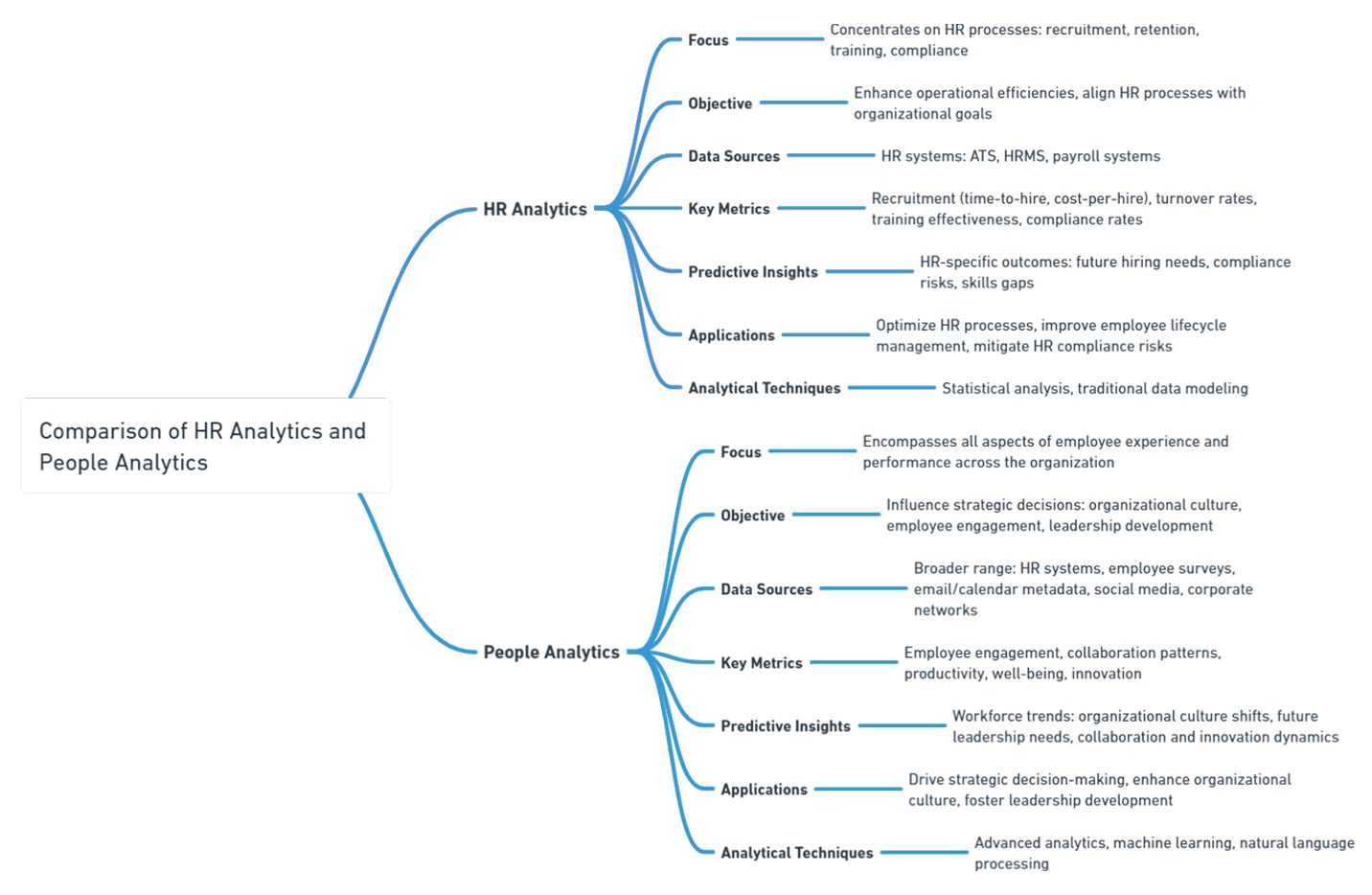
HR Analytics: Enhancing HR Department Efficiency
Traditionally known as workforce analytics, HR Analytics concentrates on analyzing employee data to refine HR processes, policies, and practices. It covers HR metrics related to recruitment, retention, compensation, benefits, and compliance, aiming to boost operational efficiencies within HR departments. This method ensures that HR management aligns with the organization’s goals. It focuses on enhancing HR functions at a smaller scale.People Analytics: Broadening Workforce Intelligence
People Analytics adopts a wider lens, moving beyond traditional HR boundaries to include every aspect of employee experience and performance across the organization. It integrates data from HR systems, social media, corporate networks, and feedback platforms, offering insights into productivity, collaboration, engagement, and well-being. People Analytics influences strategic decisions affecting organizational culture, leadership development, and overall performance, focusing on macro-level business outcomes.The Role of People Analytics in Addressing Unconscious Bias
People analytics, the practice of using data and statistical methods to gain insights into HR processes, plays a pivotal role in combating unconscious bias. A Deloitte survey found that companies utilizing data-driven approaches in their HR processes are 3 times more likely to improve their recruitment efforts. Moreover, an IBM study revealed that 67% of HR professionals believe analytics help make the hiring process fairer by identifying patterns and trends that may indicate the presence of unconscious bias.Predictive Power in Workforce Trends Forecasting
HR Analytics and People Analytics serve pivotal roles in forecasting workforce trends through different approaches, enhancing the predictive power for proactive strategy development.HR Analytics: Focusing on Operational Efficiency and Risk Mitigation
HR Analytics can predict trends in HR operations and workforce needs, like turnover rates and skills gaps. It helps HR predict hiring needs, improve recruitment strategies, and reduce compliance risks by anticipating labor law changes. Predictive modeling in HR Analytics uses statistical techniques to forecast outcomes, helping identify potential flight risks and tailor retention strategies.People Analytics: Offering Strategic Insights and Cultural Evolution
People Analytics extends beyond operational efficiency, providing strategic insights into workforce dynamics and engagement. It predicts future leadership needs, identifies potential leaders, and anticipates shifts in organizational culture and employee engagement. AI and robots improve predictions using vast amounts of data and advanced analytics to reveal crucial workforce insights.Integrating HR Analytics and People Analytics
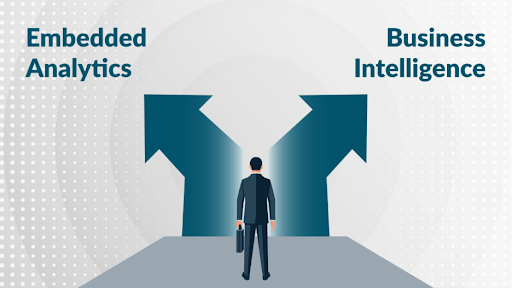
While HR Analytics and People Analytics serve distinct purposes, they are complementary, offering a holistic approach to workforce analytics. HR Analytics lays the foundation for HR department efficiency, focusing on talent analytics, HR metrics, and the management of successful candidates turned employees. People Analytics focuses on maximizing the potential of employees to meet business goals effectively. This integration enhances predictive analytics, enabling accurate workforce trend forecasting and strategic decision-making.The Role of Data and Customer Insights
Both analytics capture and measure vital data, offering insights into workforce data and customer interactions. This approach looks at talent, HR, and workforce analytics together to understand human resource management better. It uses employee and customer data to shape business strategies.Conclusion
The roles of HR Analytics and People Analytics in forecasting workforce trends are crucial and complementary. As the digital age presents new challenges and opportunities, these analytical tools are imperative for strategic application. By leveraging HR Analytics for HR department excellence and People Analytics for broader strategic insights, organizations can predict and shape their workforce’s future. This method helps organizations grow and stay competitive by using HR Analytics and People Analytics. It improves resilience and innovation in the organization. This approach focuses on long-term success. It combines analyzing data and insights about employees to make strategic decisions.Frequently Asked Questions
How do predictive analytics models calculate employee attrition risk scores using historical HR data and performance metrics?
SplashHR's predictive analytics models calculate attrition risk scores by training on historical HR data, including factors like tenure, role, manager, performance, and pay. Utilizing 7 machine learning algorithms, such as Random Forest, the models identify employees at high risk of leaving.
How does workforce analytics compare to HR analytics?
Workforce analytics and HR analytics are synonymous terms, both referring to the application of data analysis methods to human capital with the goal of improving business outcomes.
What are the main types of workforce analytics used in HR?
The main types of workforce analytics used in HR encompass descriptive and predictive approaches, leveraging data across various domains. SplashBI's People Analytics utilizes data from six key areas: Recruit, Core, Payroll, Learning, Talent, and Time & Attendance, to drive insights and improve business outcomes.
What is the difference between predictive and prescriptive workforce analytics?
Predictive workforce analytics applies statistical modeling to HR data to forecast future outcomes like employee turnover or hiring needs, enabling proactive talent management. SplashBI's predictive engine and skill gap dashboards facilitate forecasting and succession planning. Prescriptive workforce analytics, on the other hand, goes further by recommending specific actions to take based on those predictions, answering "What should we do about it?" This involves suggesting concrete interventions to optimize workforce outcomes.
How can analytics help in predicting and mitigating high rates of employee attrition?
People Analytics helps predict and mitigate attrition by identifying root causes and forecasting future departures. SplashBI's People Analytics platform identifies "Flight Risk" using predictive analytics into engagement and absence data, enabling forecasts for 3, 6, or 12 months to inform timely interventions.
How do diverse recruitment analytics improve hiring practices for workforce diversity?
Diverse recruitment analytics improve hiring by identifying biases and tracking diversity metrics across the recruitment funnel. SplashBI's Diversity Analysis dashboard features charts like "Hired Vs Rejects By Ethnicity" to pinpoint biases, helping organizations assess diversity and inclusion efforts.